Hands-On Manual Therapy That Helps You Move Better
Tight, guarded muscles and stiff joints can keep pain going long after an injury. Our targeted, hands-on techniques ease tension, reduce pain, and restore movement — then we help you build on that progress with exercise so results last.
What Manual Therapy Is
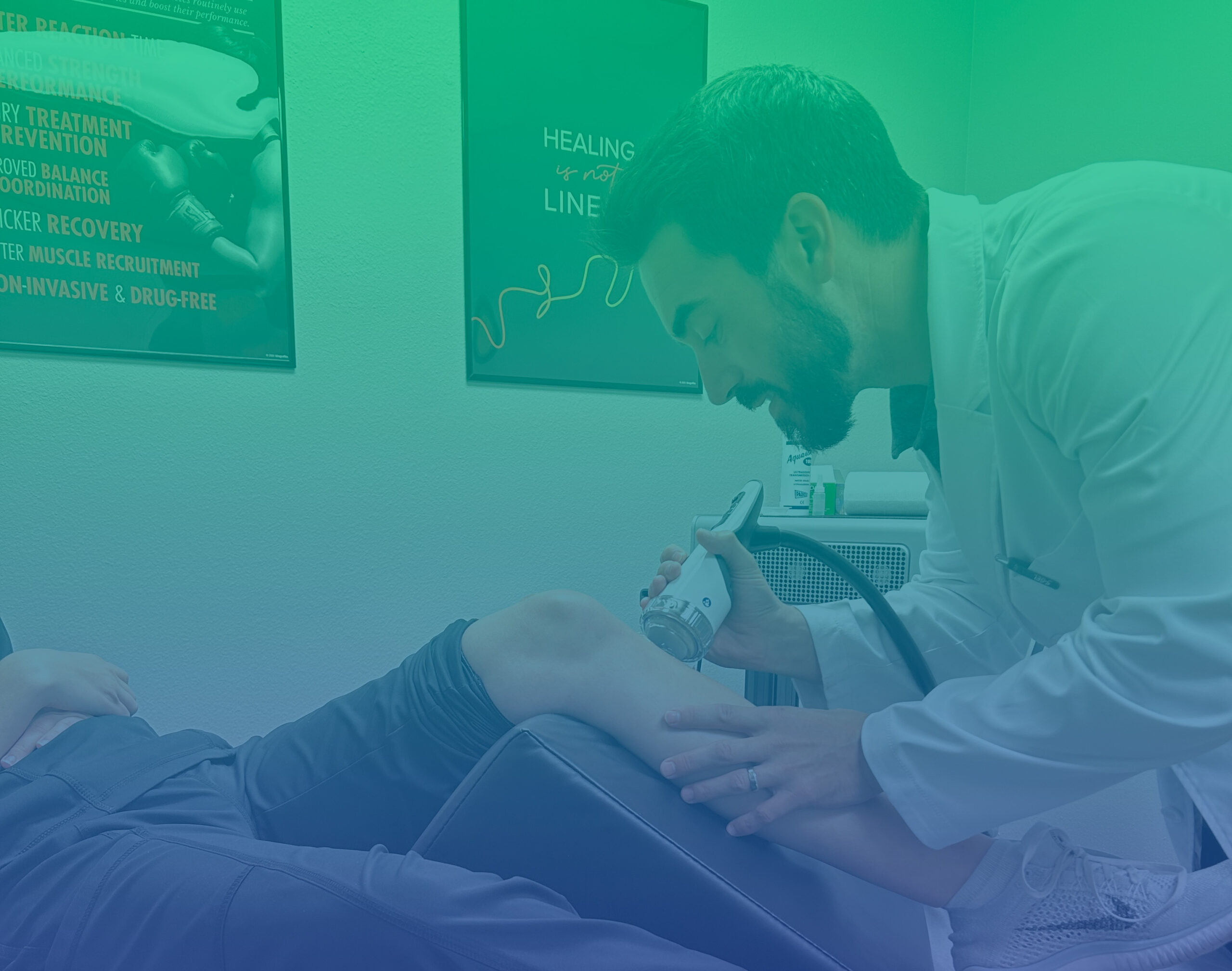
Manual therapy is a set of skilled, hands-on techniques — including soft tissue release, trigger point work, joint mobilization, and assisted stretching — used to reduce pain, release guarded muscles, and restore comfortable movement.
After an injury, muscles often tighten to protect the area. That guarding helps in the short term, but it can linger and keep pain and stiffness going. Targeted hands-on work helps calm that protective response so you can move more freely.
We use manual therapy as part of a complete plan, not on its own. It opens a window of easier movement, and exercise then builds the strength to keep it.
Conditions We Use Manual Therapy For
Manual therapy is part of many of our care plans. These are the areas where it helps most.
Neck Pain & Whiplash
- Neck stiffness and limited rotation
- Tension across the shoulders
- Post-accident muscle guarding
Low Back Pain & Spasm
- Muscle spasm after lifting or twisting
- Tight, guarded back muscles
- Pain with sitting or standing up
Tension & Neck-Related Headaches
- Pain at the base of the skull
- Tight upper shoulders
- Headaches that build through the day
Shoulder & Upper Back
- Shoulder blade tension
- Pain reaching overhead
- Upper back stiffness
Tendon & Overuse Pain
- Tennis or golfer’s elbow
- Forearm tightness from gripping
- Calf and foot tightness
Auto Accident Soft Tissue Injuries
- Muscle strain after a collision
- Stiffness that builds over several days
- Pain limiting work or sleep
Your Manual Therapy Visit
Every session is matched to your findings and your comfort level.
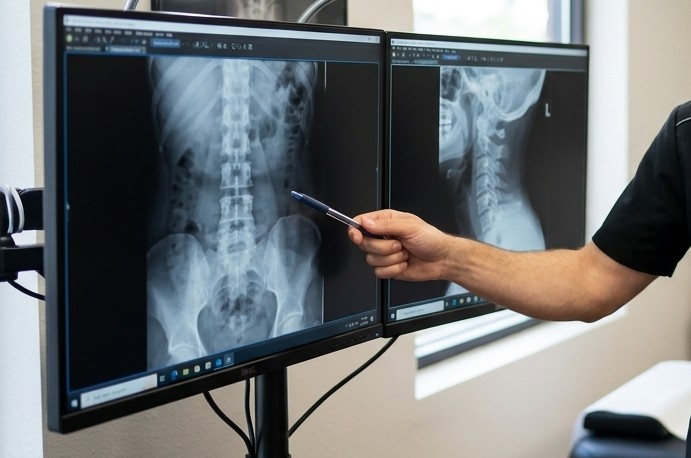
- Evaluation first — we identify which tissues are involved before any hands-on work begins.
- Pressure matched to you — techniques and pressure are adjusted to what’s comfortable and effective for you.
- Mild soreness is normal — some tenderness for a day or two afterward is common and settles on its own.
- Movement afterward — we often follow hands-on work with exercise, so your body uses its new range of motion.
- TENS when helpful — electrical nerve stimulation can help manage pain between visits.
Manual Therapy at a Glance
Overcome. Perform. Empower.
A structured, three-phase plan with a clear goal at every step — so you always know where you are in your recovery.
Overcome
Hands-on care calms muscle guarding and pain, and restores comfortable movement early in your recovery.
Perform
As tension eases, exercise takes the lead, building the strength and control that keep tissues from tightening back up.
Empower
Leave with self-care strategies and a home program to manage tension on your own.
Evidence-Based Manual Therapy
A 2023 systematic review and meta-analysis found that combining manual therapy with exercise was more effective than exercise alone or other interventions for nonspecific neck pain and related disability (reference).
That’s why we pair hands-on care with movement: manual therapy helps you move more easily, and exercise builds the strength to keep it.
Soft Tissue Release
Targeted pressure and stretch to ease tight, guarded muscles and fascia.
Trigger Point Therapy
Focused pressure on tender knots that refer pain to other areas.
Joint Mobilization
Gentle, controlled movement to restore motion in stiff joints.
Assisted Stretching
Guided stretching to improve flexibility and comfortable range of motion.
TENS Therapy
Electrical nerve stimulation to help manage pain during and between visits.
Functional Exercise
Progressive exercise that builds on the movement manual therapy restores.
Chiropractic Care
Adjustments combined with soft tissue work for joint and muscle problems together.
Focused Shockwave Therapy
For stubborn tendon and soft tissue pain that hasn’t responded to hands-on care alone.
When We Modify or Avoid Manual Therapy
We avoid or adjust hands-on work over recent fractures, open wounds, skin infections, or areas of suspected blood clots, and we take extra care if you take blood thinners or have a bleeding disorder. Seek urgent medical care for calf pain with swelling and warmth, or for chest pain or sudden shortness of breath. Let us know about any of these before your visit.
Manual Therapy FAQs
Is manual therapy the same as a massage?
They share some techniques, but manual therapy is targeted to the specific tissues involved in your injury, based on a clinical evaluation, and is part of a treatment plan with measurable goals.
Does manual therapy hurt?
Some techniques create mild discomfort, especially over tender areas, but pressure is always adjusted to what you can tolerate. Mild soreness for a day or two afterward is normal.
How is it different from a chiropractic adjustment?
Adjustments focus on restoring joint motion, while manual therapy focuses mainly on muscles, fascia, and soft tissue. Many patients benefit from both.
Why do you pair manual therapy with exercise?
Research shows the combination works better than exercise alone for neck pain. Manual therapy makes movement easier, and exercise builds the strength to keep those gains.
Is manual therapy part of auto injury care?
It often is. Soft tissue injuries are common after collisions, and hands-on care can be part of a structured, documented recovery plan.
Where are you located?
We’re at 1203 Jacaranda Blvd., 2nd Floor at Venice Healthpark, Venice, FL 34292 — convenient to patients from Venice, Nokomis, Osprey, North Port, and Englewood.
Ready to Move With Less Tension?
Schedule an evaluation with Dr. Jordan Sanderson in Venice, FL.