

Why Your Knee Pain Gets Worse After Workouts (And How to Fix It)
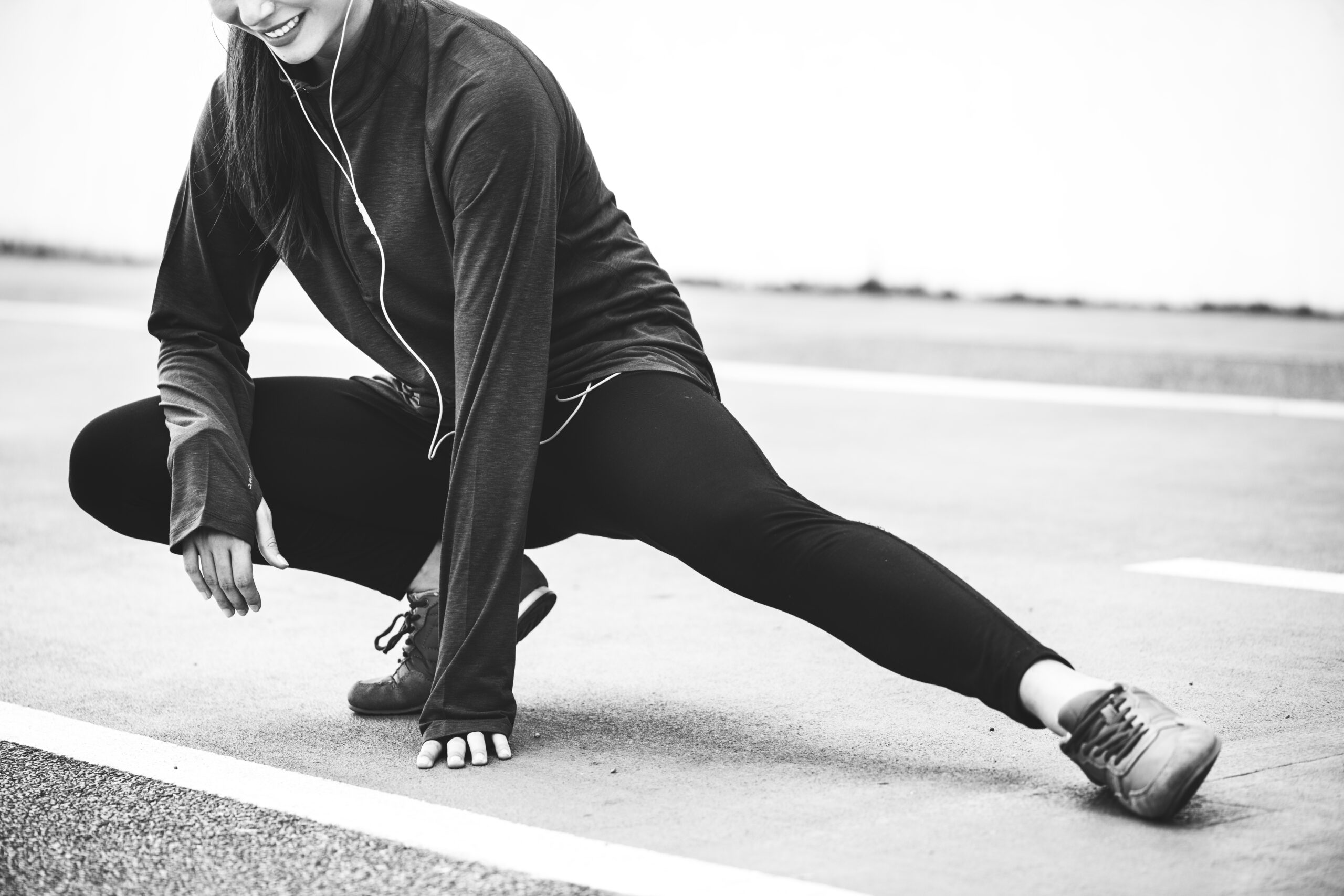
We’ve all been there. You hit the gym with the best intentions, sweat it out on the treadmill, conquer the elliptical, or push through a leg day, only to find your knees screaming in protest afterward. If you’re a regular at the YMCA or any gym, and knee pain is becoming an unwelcome guest after your workouts, you’re not alone. But why does this happen, and more importantly, what can you do about it?
Understanding the Culprits: Why Your Knees Hurt
Several factors can contribute to post-workout knee pain, especially in a general gym setting where personalized guidance might be limited.
- Improper Form: This is arguably the biggest culprit. Activities like squats, lunges, and even running with incorrect form can put undue stress on your knee joints, leading to irritation and pain.
- Overuse and Under-recovery: Doing too much, too soon, or not allowing enough time for your body to recover can inflame tendons and other tissues around the knee.
- Muscle Imbalances: Weakness in the glutes or hips, or tightness in the hamstrings and quads, can alter your gait and movement patterns, placing extra strain on your knees.
- Worn-out Footwear: Old or poorly supportive shoes can compromise biomechanics and shock absorption, directly affecting knee health.
- Pre-existing Conditions: Conditions such as patellofemoral pain syndrome (runner’s knee), osteoarthritis, or meniscus tears can be exacerbated by exercise if not correctly managed.
Identifying the Pain: Where Does It Hurt?
Understanding where your knee hurts can offer clues about the underlying issue.
- Pain in the front of the knee (around or under the kneecap): Often related to patellofemoral pain syndrome, IT band syndrome, or quadriceps issues.
- Pain on the inside of the knee: Could indicate issues with the medial meniscus, MCL, or pes anserine bursitis.
- Pain on the outside of the knee: Commonly associated with IT band syndrome or lateral meniscus problems.
- Pain in the back of the knee: Less common but can be due to hamstring issues, Baker’s cyst, or PCL problems.
Taking Action: How to Fix Your Post-Workout Knee Pain
Don’t let knee pain derail your fitness goals. Here are several effective strategies and treatment options to help you get back to pain-free workouts.
1. Prioritize Proper Form and Exercise Modification
Before exploring other treatments, ensure your exercise technique is sound.
- Seek professional guidance: Consider a session with a certified personal trainer or physical therapist to review and correct your form for common exercises.
- Modify exercises: If squats hurt, try box squats or reduce the depth of the squat. If running is an issue, switch to cycling or swimming temporarily.
- Warm-up and Cool-down: Always set aside time for dynamic warm-ups and static stretches post-workout.
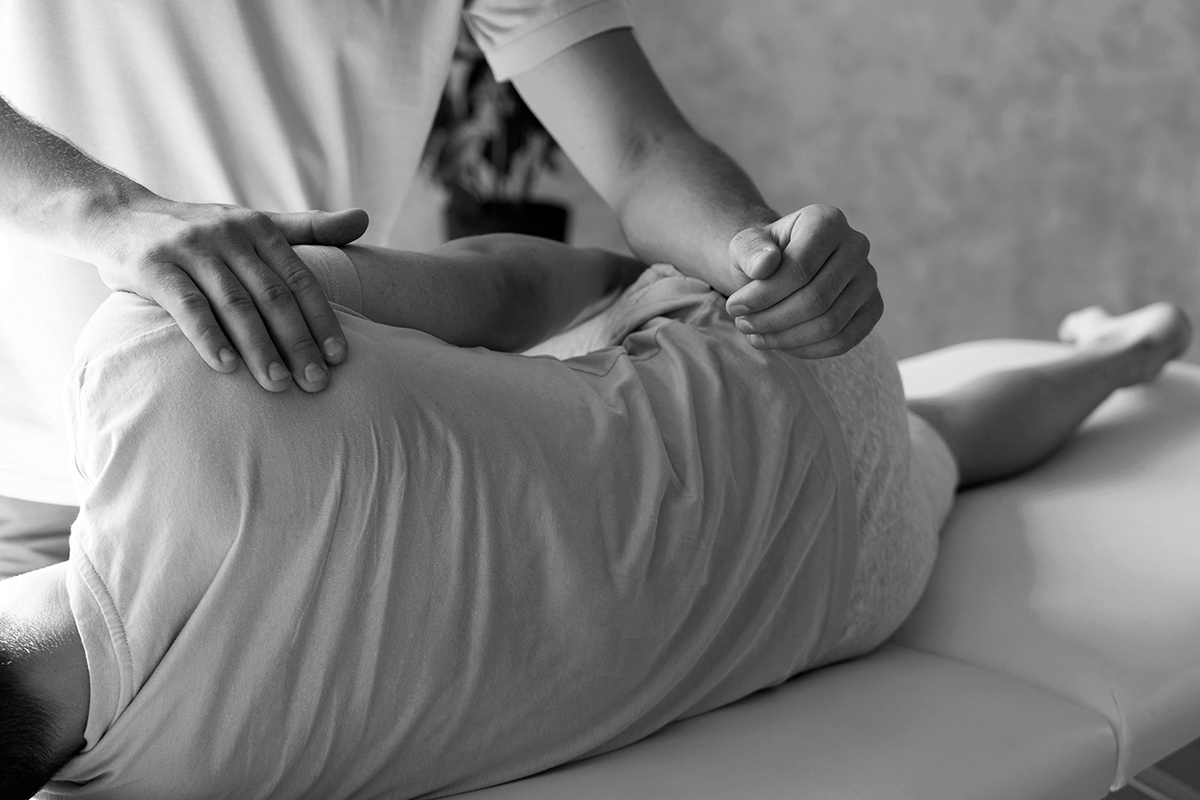
2. Chiropractic Care
Chiropractors focus on the musculoskeletal system, and knee pain can often be linked to misalignments or dysfunction in the spine, hips, or even the feet.
- Assessment: A chiropractor can assess your gait, posture, and joint mobility to identify contributing factors.
- Adjustments: Gentle adjustments can help restore proper joint mechanics, reducing stress on the knees.
- Soft Tissue Work: They may also employ techniques to address muscle imbalances and tightness.
3. Functional Exercise and Rehabilitation
This involves exercises designed to strengthen supporting muscles and improve movement patterns, rather than just isolated muscle groups.
- Glute Strengthening: Exercises such as glute bridges, clam shells, and resistance band walks can significantly improve hip stability, which directly affects knee alignment.
- Hip Mobility: Stretches and exercises for hip flexors and rotators can alleviate tightness that pulls on the knee.
- Core Stability: A strong core provides a stable foundation for all movements, reducing stress on the lower body.
- Proprioception Exercises: Balance exercises (e.g., single-leg stands) help improve your body’s spatial awareness, enhancing knee stability.
4. Supplementation
While not a magic bullet, certain supplements can support joint health and reduce inflammation.
- Omega-3 Fatty Acids: Known for their anti-inflammatory properties, found in fish oil.
- Glucosamine and Chondroitin: These are natural components of cartilage and may help support joint structure.
- Turmeric/Curcumin: A potent natural anti-inflammatory.
- Vitamin D: Essential for bone health, which indirectly supports joint integrity.
Always consult with a healthcare professional before starting any new supplement regimen.
5. Kinesiology Taping
Kinesiology tape (K-tape) is often seen on athletes and can be beneficial for knee pain.
- Support and Stability: When applied correctly, it can provide support to the knee joint and surrounding muscles without restricting movement.
- Pain Relief: It can help lift the skin, decompress tissues, and potentially reduce pain.
- Improved Circulation: Some believe it can enhance blood flow and lymphatic drainage, aiding in recovery.
- Proprioceptive Feedback: The tape can provide sensory input, reminding you to maintain proper form.
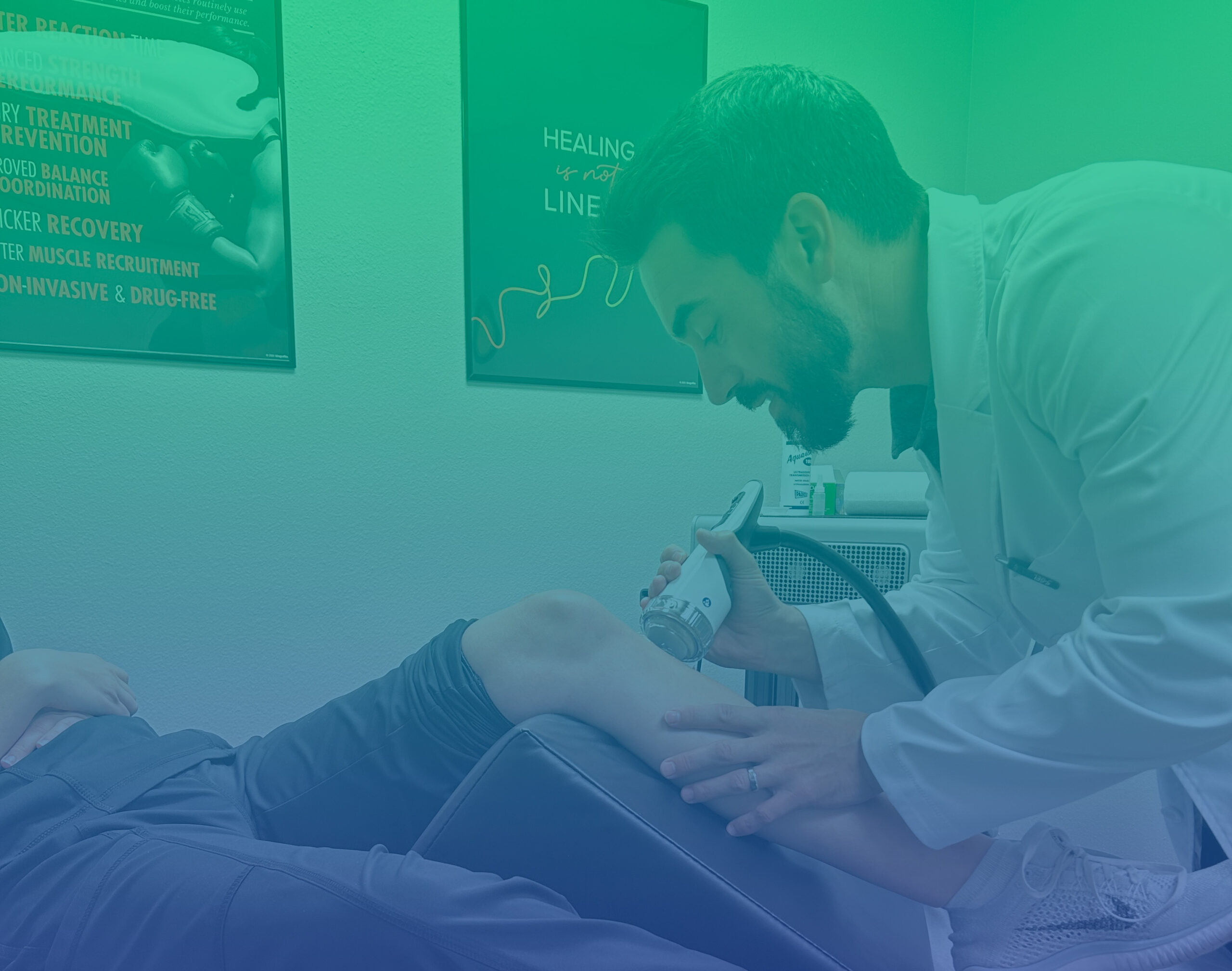
6. Shockwave Therapy
For persistent or chronic knee pain, particularly tendinopathies such as patellar tendinopathy (also known as “jumper’s knee”), shockwave therapy can be an effective treatment.
- How it works: Acoustic waves are delivered to the affected area, stimulating healing processes.
- Benefits: It can reduce pain, increase blood circulation, break down calcifications, and promote tissue regeneration.
- Non-invasive: It’s a non-surgical option with typically minimal downtime.
When to See a Professional
While many instances of post-workout knee pain can be managed with rest, proper form, and the above strategies, it’s crucial to seek professional medical advice if:
- Your pain is severe or doesn’t improve with rest.
- You experience swelling, redness, or warmth around the knee.
- You hear a “pop” at the time of injury.
- You have difficulty bearing weight or moving your knee.
- The pain significantly interferes with your daily activities.
Don’t let knee pain become a permanent fixture in your fitness journey. By understanding the causes and exploring these effective treatment options, you can get back to enjoying your YMCA workouts and achieving your health goals, pain-free.
Give us a call at 941-201-0206 or visit Amplified Chiro to learn more about how our Amplified Difference could help you.




Leave a Reply