


That persistent ache in your knee when climbing stairs. The stiffness that makes it difficult to get up after sitting. The nagging pain that keeps you from enjoying your daily walk or favorite activities. If these symptoms sound familiar, you may be among the millions of older adults struggling with chronic knee pain, one of the most common musculoskeletal complaints among active seniors.
But before you resign yourself to a life of limited mobility or consider invasive treatments, there’s a scientifically backed solution worth exploring: Extracorporeal Shockwave Therapy (ESWT).
Understanding knee pain in active adults
Knee pain can stem from various conditions common in older adults:
- Osteoarthritis (wear and tear of joint cartilage)
- Tendinopathy (inflammation or degeneration of tendons)
- Bursitis (inflammation of the fluid-filled sacs that cushion joints)
- Patellofemoral pain syndrome (pain around the kneecap)
- Ligament injuries or instability
These conditions often result from a combination of factors, including age-related changes, previous injuries, overuse, and biomechanical issues. For active adults, knee pain can significantly impact quality of life by limiting participation in cherished activities like walking, gardening, golfing, tennis, or playing with grandchildren.
Introducing Shockwave Therapy
Extracorporeal Shockwave Therapy represents a significant advancement in treating chronic knee pain without the drawbacks of traditional approaches. But what exactly is it?
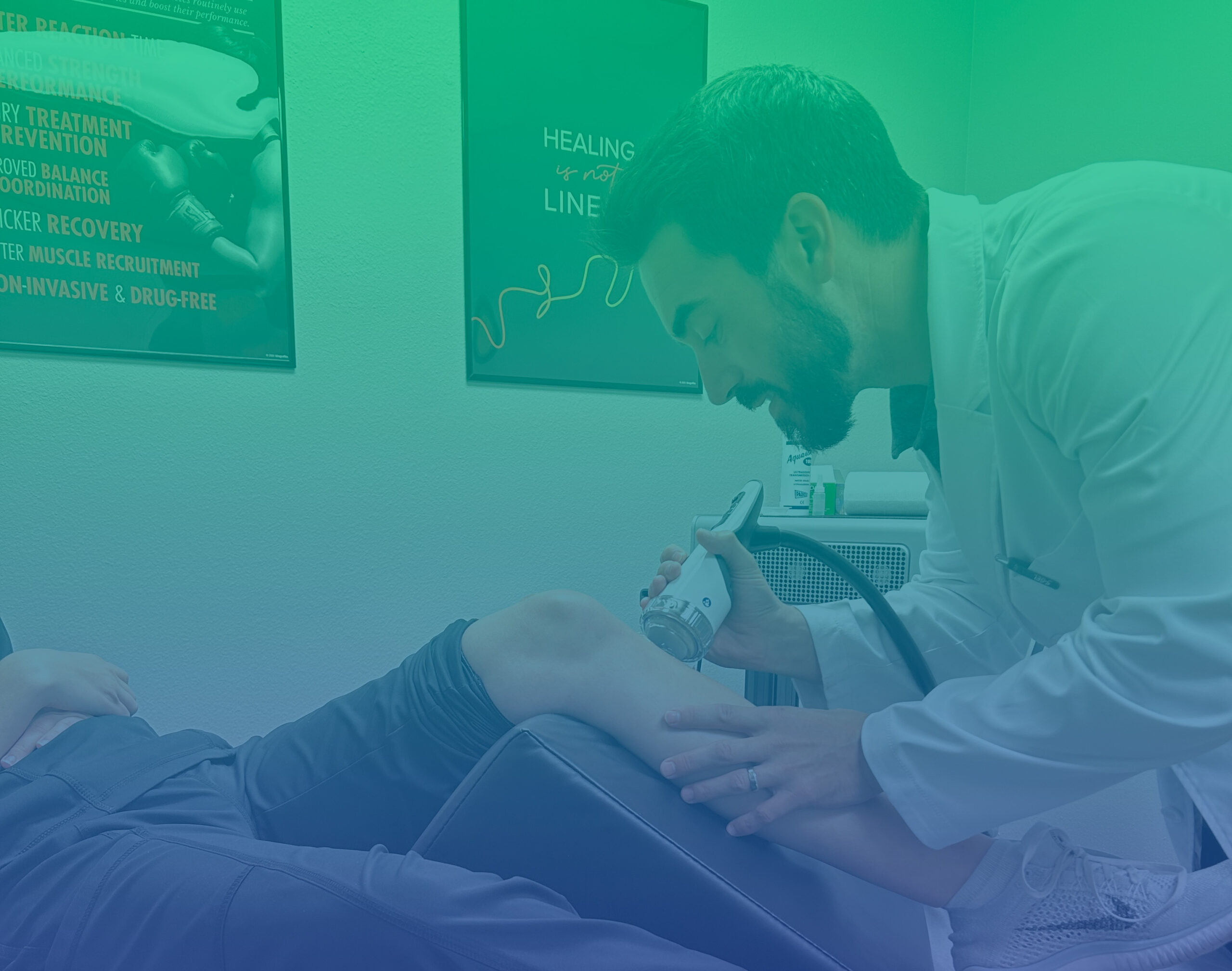
ESWT uses acoustic pressure waves directed at the injured tissue to stimulate healing. A device delivers these precisely targeted sound waves to the affected area, creating microtrauma that triggers your body’s natural healing response. This increases blood flow to the area, reduces inflammation, and promotes tissue regeneration and repair.
Key advantages of Shockwave Therapy for knee pain
Non-Invasive alternative to surgery for knee pain
Unlike surgical interventions that require incisions, anesthesia, and lengthy recovery periods, shockwave therapy is completely non-invasive. There’s no cutting, no scarring, and no surgical complications to worry about. Most treatments take only 10-15 minutes per session, with patients typically requiring 3-5 sessions spaced a week apart.
For active seniors, this means maintaining independence and mobility without the lengthy downtime associated with knee surgery.
Medication-free knee pain relief
For those concerned about medication side effects or seeking drug-free alternatives, shockwave therapy offers significant advantages. The treatment works without:
- Pain medications and their potential side effects
- Anti-inflammatory drugs that may cause stomach or kidney issues with long-term use
- Steroid injections that provide temporary relief but may weaken tissue over time
This is particularly important for older adults who may already be taking multiple medications and want to avoid potential drug interactions.
No need for orthotic supports
While knee braces and supports may help manage symptoms, they don’t address the root cause of knee pain. Shockwave therapy tackles the problem at its source by promoting actual healing of the damaged tissue. Many patients find they can reduce their reliance on supportive devices after completing a treatment course, allowing for more natural movement and improved quality of life.
The Clinical Evidence: Does It Work?
The scientific literature provides strong support for shockwave therapy’s effectiveness in treating various knee conditions:
A systematic review published in the Journal of Orthopaedic Surgery and Research examined multiple randomized controlled trials and concluded that ESWT significantly reduced pain and improved function in patients with knee osteoarthritis compared to placebo treatments.
Research in the American Journal of Sports Medicine demonstrated that patients with patellar tendinopathy (jumper’s knee) receiving ESWT showed significant improvement in pain scores and functional outcomes, with effects lasting up to 24 months after treatment.
Another study in the Archives of Physical Medicine and Rehabilitation found that shockwave therapy effectively reduced pain and improved mobility in older adults with knee osteoarthritis, with many participants able to reduce their pain medication usage.
What to Expect During Treatment
A typical shockwave therapy session for knee pain involves:
- Application of gel to the affected area (similar to an ultrasound)
- Positioning of the shockwave applicator against the skin around your knee
- Delivery of acoustic waves to the injured tissue
- Gradual increase in intensity as tolerated
Most patients describe the sensation as mildly uncomfortable but not painful. There’s no downtime – you can return to normal activities immediately after treatment, though your provider may recommend temporarily modifying high-impact exercises until your treatment course is complete.
Is Shockwave Therapy for Knee Pain Right for You?
Shockwave therapy is particularly well-suited for:
- Active seniors looking to maintain their lifestyle without pain
- Individuals who have tried conservative treatments with limited success
- Those seeking to avoid surgery or medication-based approaches
- People with chronic knee pain (symptoms lasting 3+ months)
However, it may not be appropriate for everyone. Consult with a healthcare professional if you:
- Have acute inflammation or infection in the area
- Take blood-thinning medications
- Have certain nerve disorders
- Have a pacemaker
- Have severely advanced osteoarthritis with significant bone deformity
The Bottom Line
For active seniors dealing with the limitations of chronic knee pain, shockwave therapy offers a compelling option that addresses the underlying causes without surgery, medication, or orthotic dependencies. With strong clinical evidence supporting its effectiveness and minimal side effects, it’s worth discussing with your healthcare provider as a potential solution to get you back to the activities you love.
Many older adults find that after completing a series of shockwave therapy treatments, they can return to walking longer distances, resume recreational sports, and engage more fully in daily activities that had become challenging due to knee pain.
Remember: Early intervention typically yields better outcomes, so don’t wait until your knee pain becomes severely debilitating before exploring treatment options like shockwave therapy.
This blog post is for informational purposes only and does not constitute medical advice. Always consult with a qualified healthcare provider before beginning any treatment program.
Contact us today for an assessment!






Leave a Reply